

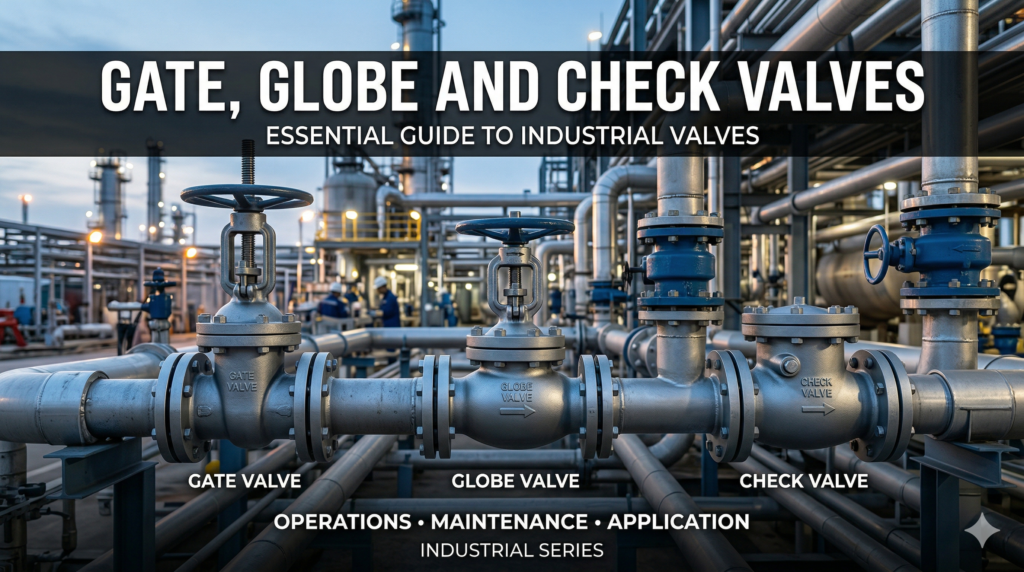
IIn industrial piping systems, selecting the right valve is quite important. Whether it is for isolation, throttling, or preventing reverse flow, each valve plays a vital role in controlling the movement of liquids, gases, and steam while ensuring safety and long-term operational efficiency. Across industries such as oil & gas, power generation, water treatment, and chemical processing, choosing the right valve directly impacts system performance and reliability. Among the most commonly used options are gate valves, globe valves, and check valves, which are often compared when designing or upgrading piping systems. Understanding their differences in function, design, and application helps engineers and procurement teams make informed and cost-effective decisions.
What is a Gate Valve?
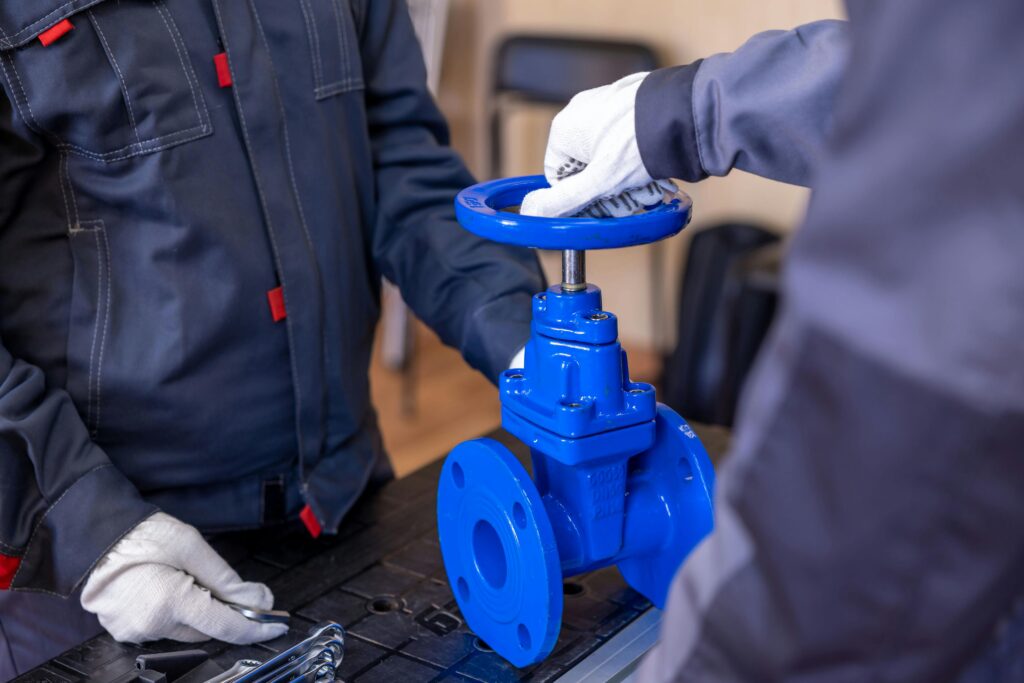
A gate valve is primarily designed for on/off flow control, using a gate-like mechanism that moves vertically to open or close the flow path. When fully open, the gate lifts completely out of the fluid path, allowing smooth flow with minimal pressure drop. Designed for tight shut-off and reliable isolation, gate valves are widely used in pipeline systems where uninterrupted flow and sealing performance are critical. However, they are not suitable for throttling or flow regulation.
Types of Gate Valves:
Solid wedge rising gate valve
Flexible wedge rising gate valve
Parallel disc gate valve
Non-rising gate valve
Resilient seated gate valve
Characteristics of Gate Valves:
- Ideal for full open or full close operation
- Provides tight sealing with minimal leakage
- Low pressure loss when fully open
- Suitable for large-diameter pipeline systems
- Not recommended for throttling
Common Applications:
- Oil and gas
- Water and wastewater systems
- Pharmaceutical production
- Chemical processing
- HVAC systems
- Food and beverage processing
- Mining operations, etc.

What is a Globe Valve?
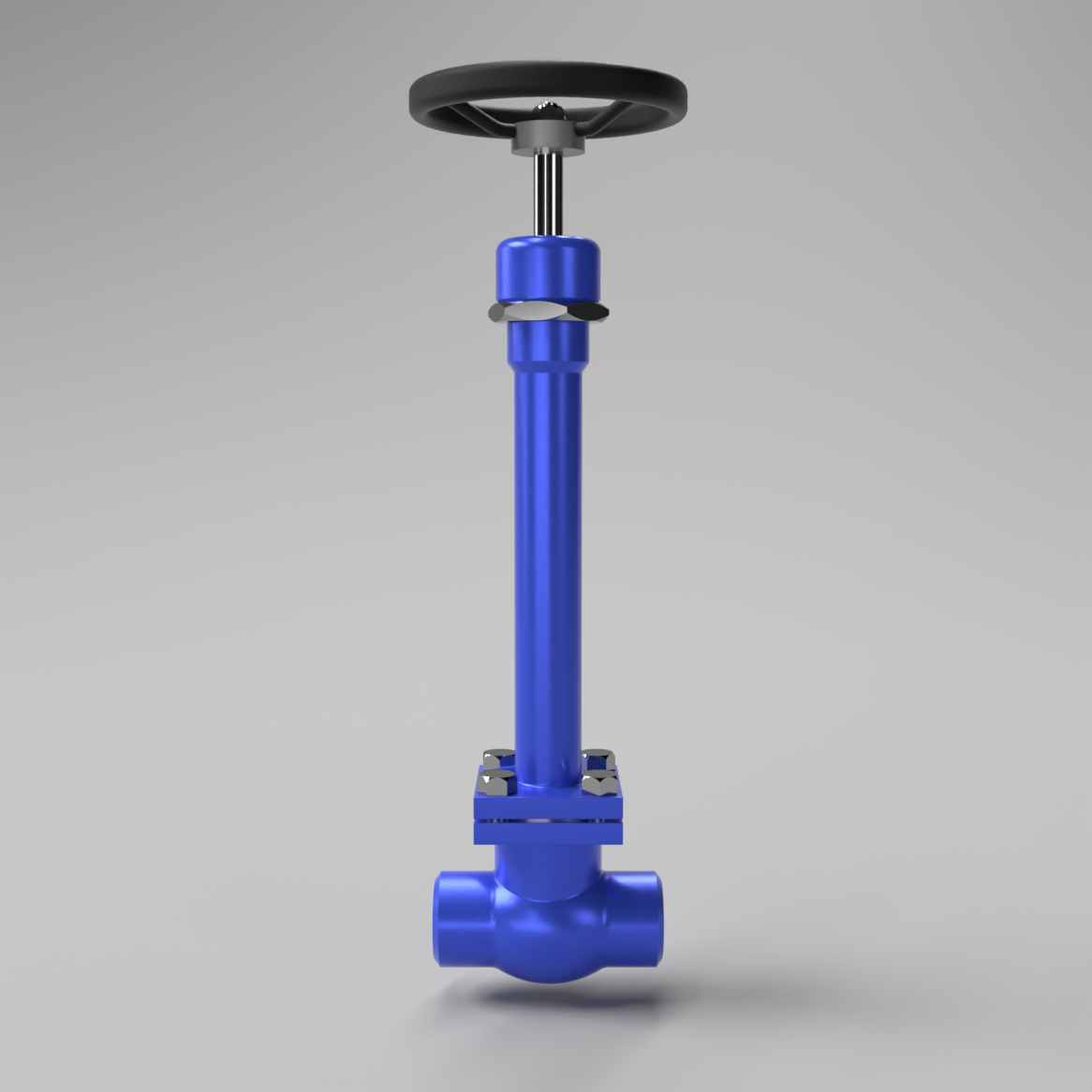
A globe valve is a linear motion valve designed for precise flow regulation and throttling. Unlike gate valves, it allows operators to accurately control both flow rate and pressure, making it ideal for systems that require consistent and adjustable flow conditions. Its internal design forces the fluid to change direction as it passes through the valve, resulting in a higher pressure drop. However, this enables superior control and stability, especially in processes where maintaining exact flow parameters is critical.
Types of Globe Valves:
Angle globe valve
Y-pattern globe valve
T-pattern globe valve
Pressure seal globe valve
OS&Y globe valve
Flexible wedge rising gate valve
Parallel disc gate valve
Non-rising gate valve
Resilient seated gate valve
Characteristics of Globe Valves:
- Excellent for flow control and throttling
- Provides accurate flow and pressure regulation
- Higher pressure drop compared to gate valves
- Suitable for systems requiring frequent adjustments
- Offers better control compared to on/off valves
Common Applications:
- Chemical Processing
- HVAC system
- Oil and gas
- Shipbuilding
- Food and beverage processing
- Mining
- Water and wastewater treatment, etc.
What is a Check Valve?
A check valve is a non-return valve designed to allow fluid to flow in only one direction, automatically preventing backflow. It operates based on pressure differences, opening when fluid flows forward and closing when flow reverses. This automatic mechanism helps protect pipelines and equipment without requiring manual operation. Check valves are essential in systems where reverse flow can cause damage, contamination, or operational failure.
Types of Check Valves:
- Swing check valve
- Lift check valve
- Dual plate check valve
- Tilting disc check valve
- Single flap type check valve
- Ball-type check valve
Characteristics of Check Valves:
- Allows flow in one direction only
- Automatically prevents backflow
- Protects pumps and compressors
- Requires no manual operation
- Low maintenance and reliable operation
Common Applications:
- Chemical Processing
- Oil and gas infrastructure
- Water and wastewater systems
- Shipbuilding and marine systems
- Mining and slurry systems
- HVAC system
- Food and beverage processing, etc.
FAQs
Gate valves and globe valves differ primarily in their function and flow characteristics. A gate valve is designed for on/off isolation, allowing full flow with minimal pressure drop when open, making it ideal for applications where unrestricted flow is required. In contrast, a globe valve is used for flow regulation, with a design that allows precise control but results in higher pressure loss due to changes in flow direction inside the valve. While gate valves are best for efficient shut-off, globe valves are preferred in systems where accurate throttling and control are needed.
No, gate valves are not designed for throttling. Using them for partial flow control can cause:
• Seat damage
• Vibration
• Reduced valve life
They should always be used in fully open or fully closed positions.